
Best Stickers for Product Labels: Sizes, Materials & Design Tips for Packaging
- May 11, 2026
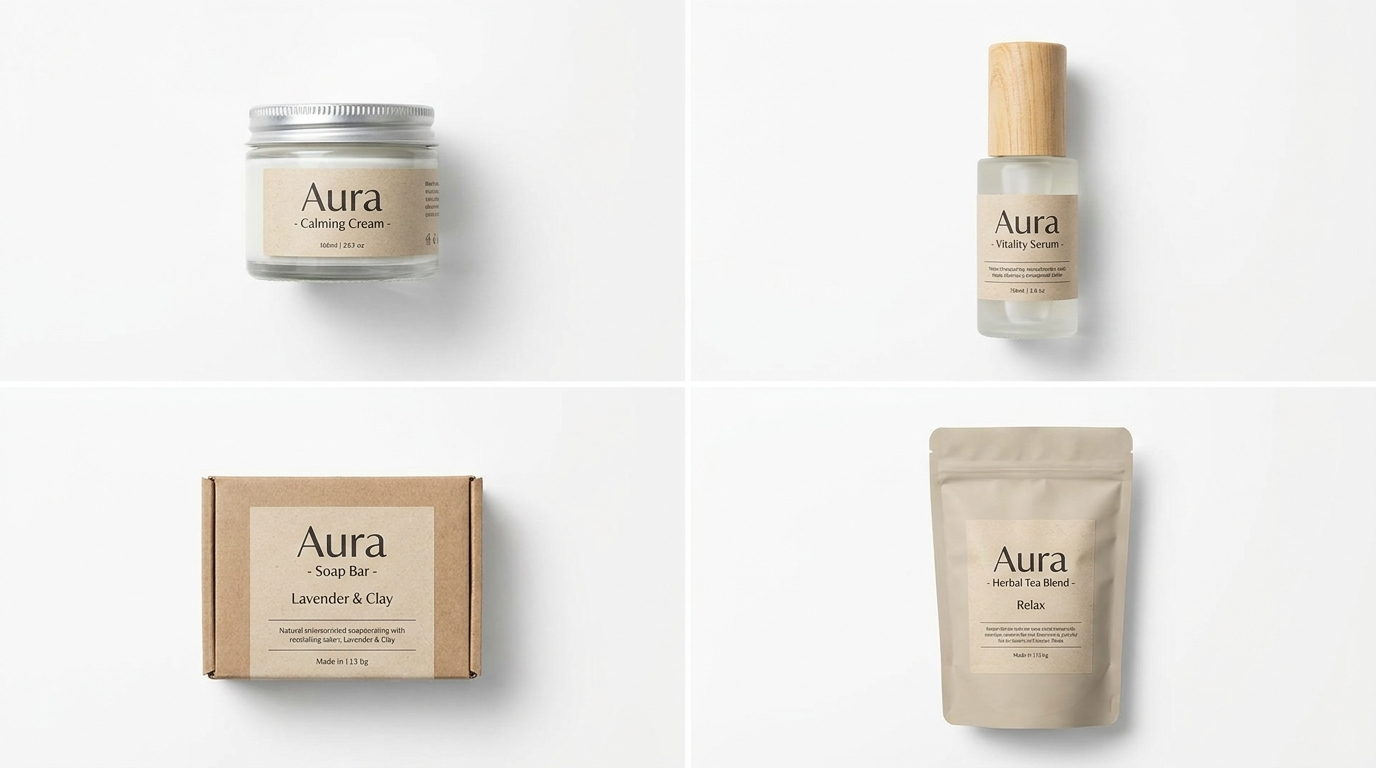
Custom product labels are one of the most important branding decisions an e-commerce or CPG business makes. The right label transforms generic packaging into a shelf-ready product that communicates quality, meets regulatory requirements, and earns repeat purchases. Whether you are labeling candle jars, hot sauce bottles, subscription boxes, or cosmetic pouches, this guide from StickerGenius covers the exact sizes, materials, and design practices you need to get your labels right the first time.
Choosing the correct label size starts with measuring the flat area available on your packaging. A label that is too large wraps over edges and bubbles, while one that is too small looks lost on the surface. Here are the most common sizing guidelines by container type.
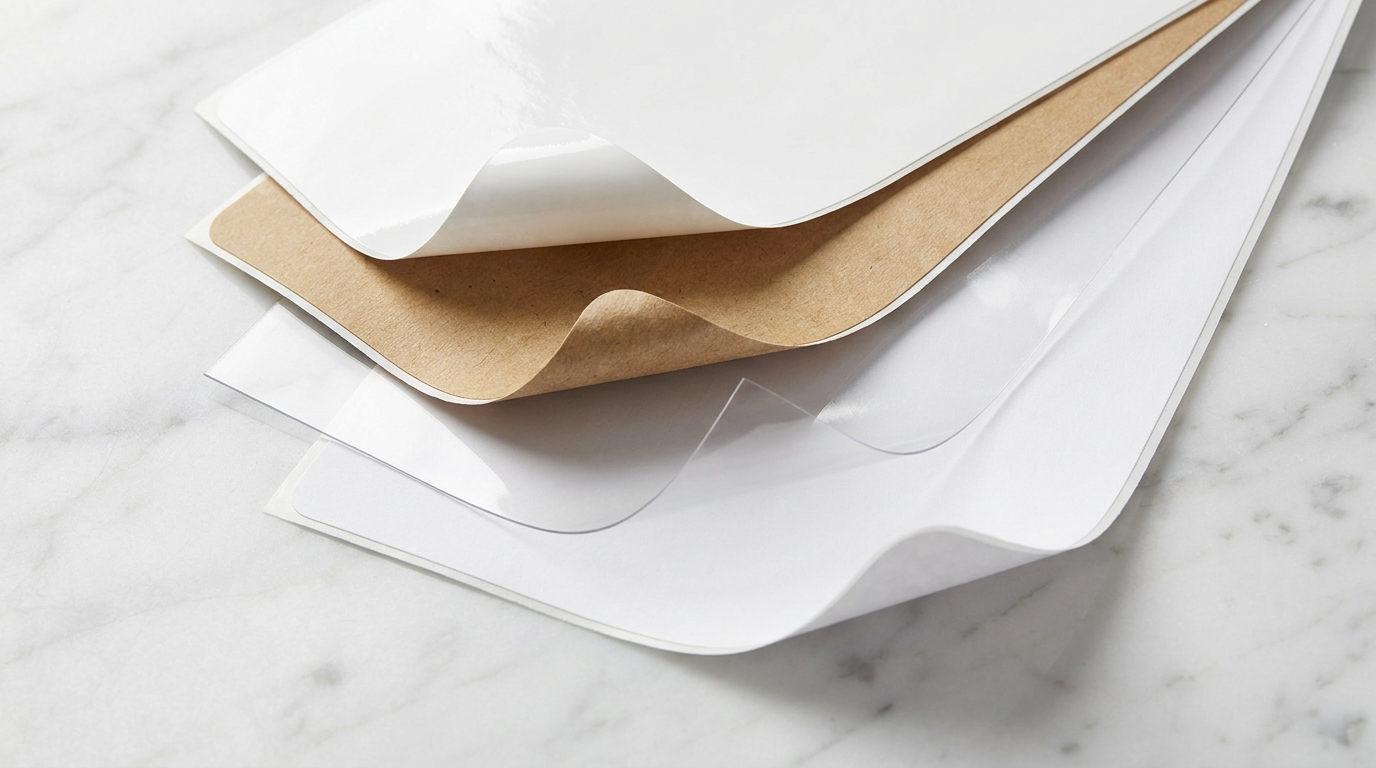 Material selection determines how your label performs in real-world conditions. A beautifully designed label that peels, smears, or fades undermines your brand faster than almost anything else.
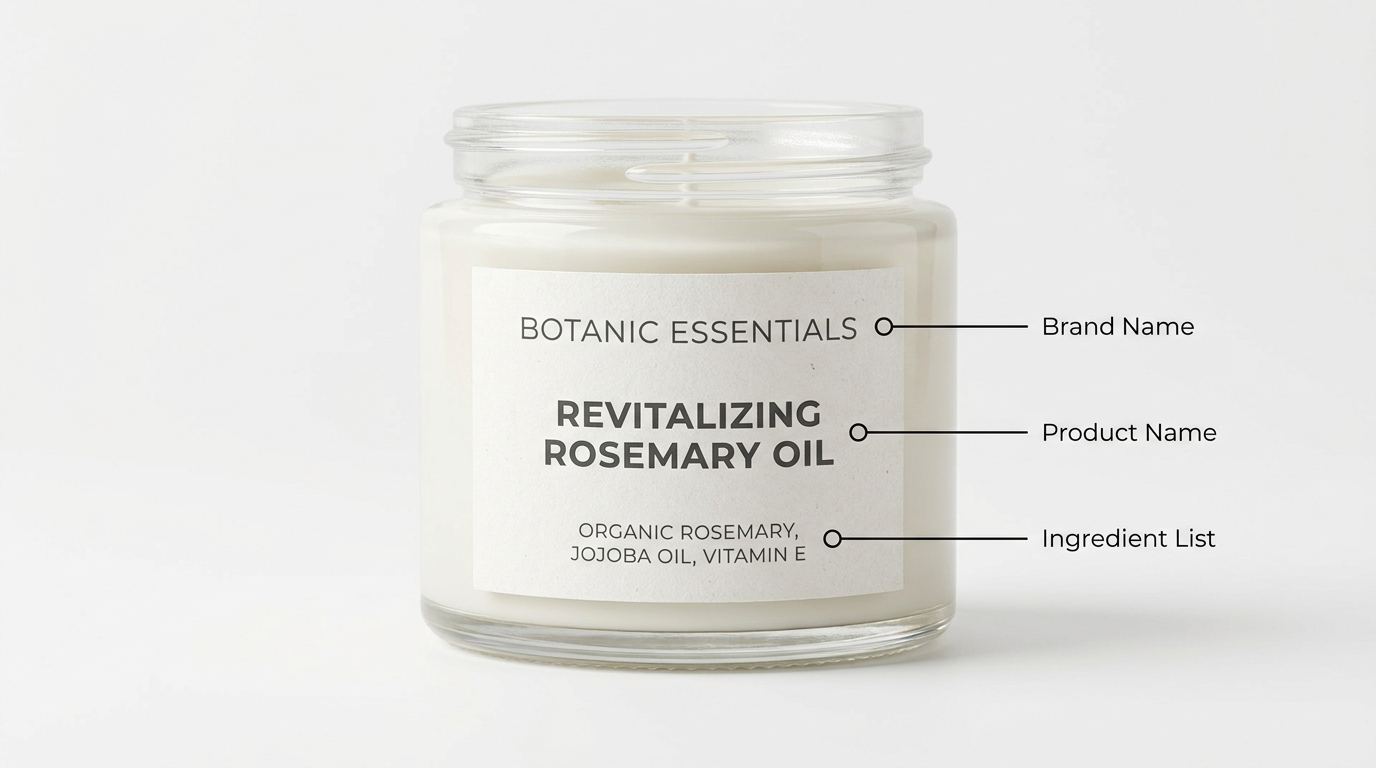 Your label should communicate three things within two seconds: what the product is, who makes it, and what variant this is. Place your brand name or logo in the top third of the label. Product name and description belong in the center. Variant information (flavor, scent, size) goes near the bottom or uses a color-coding system across the product line.
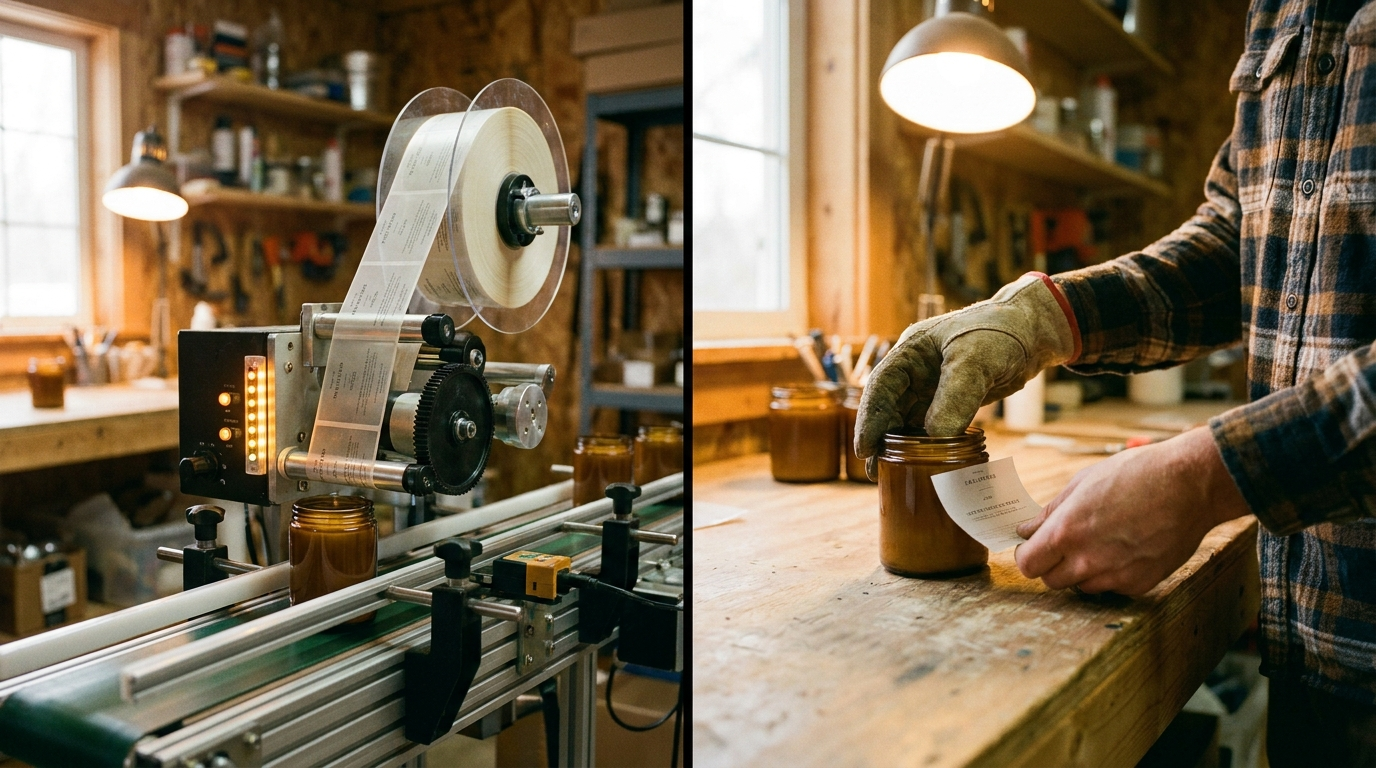 The adhesive matters as much as the face stock. Permanent adhesive is the default for product labels and provides a strong bond that resists peeling. Removable adhesive is useful for promotional labels on reusable containers where customers want a clean removal. Repositionable adhesive allows alignment adjustments during the first few minutes of application, which is helpful for hand-applied labels on curved surfaces.
For high-volume runs, roll labels feed into automatic label applicators and dramatically increase production speed. Hand-applied operations typically use labels on sticker sheets or individually cut labels.
The adhesive matters as much as the face stock. Permanent adhesive is the default for product labels and provides a strong bond that resists peeling. Removable adhesive is useful for promotional labels on reusable containers where customers want a clean removal. Repositionable adhesive allows alignment adjustments during the first few minutes of application, which is helpful for hand-applied labels on curved surfaces.
For high-volume runs, roll labels feed into automatic label applicators and dramatically increase production speed. Hand-applied operations typically use labels on sticker sheets or individually cut labels.
Standard Label Sizes by Packaging Type
Choosing the correct label size starts with measuring the flat area available on your packaging. A label that is too large wraps over edges and bubbles, while one that is too small looks lost on the surface. Here are the most common sizing guidelines by container type.
Jars and Candle Tins
For standard 8 oz mason jars (roughly 3.5 inches in diameter), a wrap-around label typically measures 2.5 inches tall by 8.5 inches wide. Front-only labels work well at 2.5 x 3 inches. Candle tins in the popular 4 oz size use labels around 1.5 x 2.5 inches on the lid or 2 x 6 inches as a side wrap. Always leave at least 1/8 inch of margin between the label edge and any curved surface transition.Bottles and Beverages
A standard 12 oz bottle uses a body label between 2 x 6.5 inches and 3.25 x 8 inches depending on whether you want a partial or full wrap. Neck labels typically run 1.25 x 5.5 inches. For 16 oz squeeze bottles common in sauces and condiments, front panels of 3 x 4 inches work well alongside a back panel for ingredients and nutrition info. According to the FDA's Food Labeling Guide, all food and beverage containers must display required nutrition and allergen information in a specific minimum type size based on the available label area.Boxes and Mailers
Subscription boxes and mailer packaging offer the most flexibility. A 6 x 6 inch square label or a 4 x 6 inch rectangle makes a strong branded impression on the outside of corrugated boxes. Seal labels for tissue paper or box flaps work best at 1.5 to 2 inches in diameter. Interior box labels (often used for unboxing moments) can go up to 8 x 4 inches.Pouches and Flexible Packaging
Stand-up pouches in the common 5 x 8 inch size use front labels of roughly 3.5 x 5 inches. For resealable mylar bags, keep labels at least 0.5 inches from any seal or zipper. Pouch labels benefit from matte finishes since the underlying package material is often already glossy.Choosing the Right Label Material
Material selection determines how your label performs in real-world conditions. A beautifully designed label that peels, smears, or fades undermines your brand faster than almost anything else.
Waterproof Vinyl for Beverages and Bath Products
Vinyl labels with laminate coatings resist water, condensation, ice buckets, and refrigeration. This is the standard material for any product that encounters moisture, including bottled drinks, soaps, lotions, and cleaning products. Vinyl labels from StickerGenius hold up through condensation cycles without curling or losing adhesion.Food-Safe Materials for Consumables
Products that make direct or indirect contact with food require labels printed with food-safe inks on FDA-compliant adhesive stock. Freezer-grade adhesive is necessary for any product stored below 40 degrees Fahrenheit, since standard adhesives lose tackiness in cold temperatures and labels slide off.Premium Finishes for Cosmetics and Luxury Goods
Cosmetic brands frequently use soft-touch matte laminate, metallic foil accents, or spot UV coating to create a tactile, premium feel. Clear labels on frosted glass containers create a sleek no-label look that is popular in skincare. Embossed or debossed textures add dimension but increase per-unit cost by roughly 15 to 25 percent.Kraft and Textured Paper for Artisan Products
Kraft labels pair naturally with handmade soaps, honey jars, candles, and other artisan goods. They communicate authenticity and small-batch craftsmanship. Textured linen or cotton paper stocks push this aesthetic further. Paper labels are not water resistant, so they work best on products stored in dry environments.Label Design Best Practices
Good label design balances brand identity with functional requirements. Packaging that looks great but fails to communicate essential information costs businesses money in returns, regulatory fines, and lost trust.Legibility First
Body text on product labels should be no smaller than 6 pt for required regulatory copy and at least 8 pt for consumer-facing text. High contrast between text color and background is critical. Dark text on light backgrounds is easier to read under retail lighting than reversed-out white text on dark backgrounds, especially at small sizes.Branding Hierarchy
Your label should communicate three things within two seconds: what the product is, who makes it, and what variant this is. Place your brand name or logo in the top third of the label. Product name and description belong in the center. Variant information (flavor, scent, size) goes near the bottom or uses a color-coding system across the product line.
Regulatory Information Placement
Back labels handle the heavy lifting for compliance: ingredients lists, nutrition facts, net weight, barcodes, batch numbers, and legal disclaimers. For single-label products, group regulatory content in the lower half or back panel. UPC barcodes need a quiet zone of at least 1/8 inch of clear space on all sides to scan reliably.Print-Ready File Setup
Submit files at 300 DPI or higher in CMYK color mode. Include a 1/8 inch bleed beyond the trim line for any design elements that touch the label edge. Convert all fonts to outlines to prevent substitution issues. Use vector formats (AI, EPS, or PDF) for logos and line art to maintain sharpness at any print size.Adhesive Types and Application Methods
The adhesive matters as much as the face stock. Permanent adhesive is the default for product labels and provides a strong bond that resists peeling. Removable adhesive is useful for promotional labels on reusable containers where customers want a clean removal. Repositionable adhesive allows alignment adjustments during the first few minutes of application, which is helpful for hand-applied labels on curved surfaces.
For high-volume runs, roll labels feed into automatic label applicators and dramatically increase production speed. Hand-applied operations typically use labels on sticker sheets or individually cut labels.
Frequently Asked Questions
What size label do I need for a 4 oz jar?
A 4 oz jar with a 2.5-inch diameter typically uses a front label of 1.5 x 2 inches or a wraparound label of 1.5 x 7 inches. Measure the flat surface area of your specific container before ordering, since jar shapes vary between manufacturers.Are vinyl stickers food safe for product labels?
Vinyl stickers can be food safe when printed with food-safe inks and paired with FDA-compliant adhesives. The label itself should not make direct contact with food. For containers where the label may contact the product, use materials specifically certified for direct food contact.How do I make my product labels waterproof?
Use a vinyl or BOPP (biaxially oriented polypropylene) face stock with a laminate overcoat. This combination resists water, oils, refrigeration, and UV exposure. StickerGenius offers waterproof vinyl labels that withstand submersion and freezer storage without peeling or fading.What file format should I use for printing product labels?
Submit print-ready files as high-resolution PDFs at 300 DPI with CMYK color, 1/8-inch bleed, and fonts converted to outlines. Vector formats like AI or EPS are ideal for logos and sharp line art. Avoid RGB files, which shift color during CMYK conversion.Can I order small quantities of custom product labels?
Yes. StickerGenius supports short-run orders starting at low minimums, which is ideal for product testing, seasonal variants, or small-batch artisan goods. Digital printing makes small runs cost-effective without sacrificing print quality. Product labels are the handshake between your brand and your customer. Getting the size, material, and design right pays off in stronger shelf presence, regulatory compliance, and brand loyalty. Explore StickerGenius bulk ordering options to get started on labels that match the quality of your product.Free Shipping
All U.S. orders over $99 receive free shipping (Excluding Hawaii and Alaska). Expedited shipping options available.
No Minimum
Yes, that's correct. We will print any size order you need. Order quantity 1 or 1,000,000
Fast Turnaround
Standard turn around ships within a week. Request rush production for faster turnaround.
Made in the USA
All stickers proudly produced in The Genius Lab by our "Stickologist" just north of Detroit.